ENVIROMIND Vol.3: Hydropower as A New Beginning for Indonesia’s New Capital and What about it?

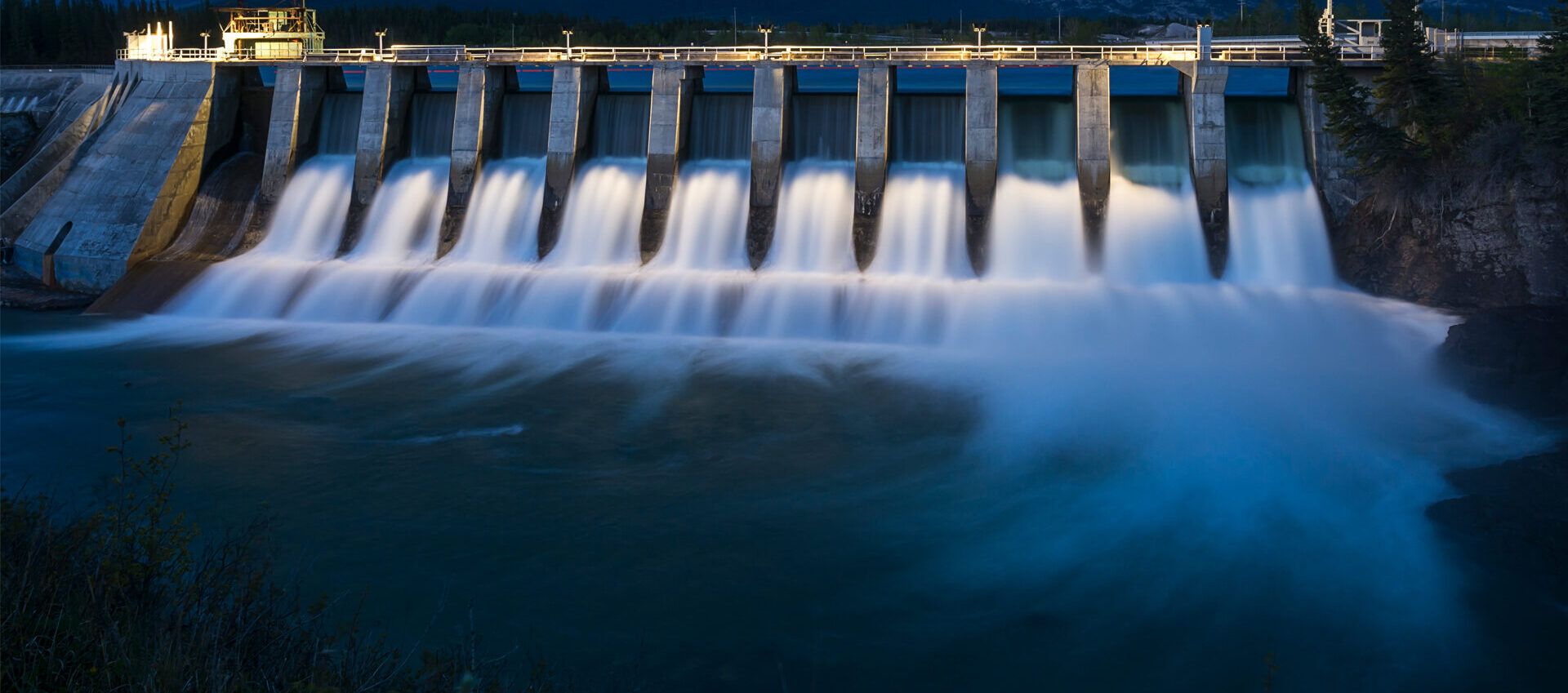
Hydropower in a nutshell is energy obtained from flowing water. The concept of this alternative energy process itself is not new. Hydropower generate electrical power by utilizing water to power the engine. The energy in the water can be used directly as a power source to drive a machine or as a source of heat energy. This energy can be utilized and used according to the needs of the community, especially in supplying electricity. Generally, hydropower applications use dams or water reservoirs.
The use of hydropower in various areas has been initiated in Indonesia, including in the future capital, North Penajam Paser, East Kalimantan, which is now being launched by President Joko Widodo. He has planned to build a Hydroelectric Power Plant (PLTA) which has the potential to produce 9 thousand megawatts of electricity. With the construction of the Kayan Hydroelectric Power Plant, Jokowi is optimistic that he can reduce electricity prices to US$2 cents or equivalent to Rp140 per kWh.
Okay, sounds great! But, what does it matter? Why should we care? How does that affect us?
Usually the conventional hydroelectric facilities include Run-of-the-river systems and Storage systems. Run-of-the-river systems, where the force of the river's current applies pressure on a turbine. The facilities may have a weir in the water course to divert water flow to hydro turbines. In Storage systems, water accumulates in reservoirs created by dams on streams and rivers and is released through hydro turbines as needed to generate electricity. Most developed countries hydropower facilities have dams and storage reservoirs.
Here comes the million dollar question. Is damming / hydropower a right renewable energy for the new capital?
When I was in school, my professors always push the “use the metrics card” on anything and renewable energy were a no exception. Of course, the metrics told us about How efficient, How much does it cost and How much CO2 this alternative energy emit. The government has probably master and calculated all of it. Instead, let’s try to see this matter from the other possible effects and try to get more information on this ongoing-future hydropower project.
First, generally speaking, we have to know how big is Kayan River. If a small river dammed, it will only give a little bit amount of energy. But it can loses the entire ecological value. The quality of the water can be impacted. All the fauna and flora population originated from the region that rely on the river water could be impacted. The locals rely on the fish from the river. Will the tourism and transportation on the river also get impacted. Another interesting question is that will all of the cost that will happen worth the small amount of energy that comes from the river being dammed or it is exactly reach the hopes of the local villagers to get electricity supply. A 9,000 megawatts of electricity that not only guaranteeing electricity in North Kalimantan, but also meeting the projected amount to supply the construction of North Penajam Paser in East Kalimantan as the new nation's capital.
Looking unto the majority of developed country that already built lots of hydropower technology like The U.S., they do a lot more undaming now. They do lots of off channel reservoirs which are less impactful to the environment. With that model you have to do pumped storage to develop hydropower. When there's excess power you pump and store it until you need power again or take a technical explanation from The U.S. EIA below.
Pumped-storage hydropower facilities are a type of hydroelectric storage system where water is pumped from a water source up to a storage reservoir at a higher elevation and is released from the upper reservoir to power hydro turbines located below the upper reservoir. The electricity for pumping may be supplied by hydro turbines or by other types of power plants including fossil fuel or nuclear power plants. They usually pump water to storage when electricity demand and generation costs, and/or when wholesale electricity prices are relatively low and release the stored water to generate electricity during peak electricity demand periods when wholesale electricity prices are relatively high.
Pretty interesting! But, at the same time, pumped-storage hydroelectric systems generally use more electricity to pump water to the upper water storage reservoirs than they produce with the stored water. Therefore, pumped-storage facilities have net negative electricity generation balances. According to The U.S. Energy Information Administration, the electricity generation from pumped storage hydroelectric power plants estimated as negative generation. Without getting too technical into the sciences, the negative generation can affect the power market prices that eventually will put burdens on consumers. Thus, it is better to balance around hydropower facilities by building the conventional or pumped-storage hydropower plants method according to how suitable the body of water is.
Finally, this by no means that we must destroy all dams. Hydropower is a great source of renewable energy. They're also pretty non-fluctuating. But, we need to make smarter, scientifically informed decisions about what are we going to do with our natural resources for energy. We need to consider ecology, we need to consider the local community. Who is the energy going to? How’s the method? Is it by damming a 100 small rivers or one big river? Will it worth it? Is the project fully funded and account for if the tunnel collapsed so it will not stopped in the middle of the construction?
The people should be informed before completely agreeing with the hydropower energy.
ARTICLE SOURCES:
- https://id.wikipedia.org/wiki/Tenaga_air
- https://www.ciptahydropower.com/examples-hydropower/
- https://www.eia.gov/energyexplained/hydropower/
- https://en.wikipedia.org/wiki/Nusantara_(planned_city)
- https://www.cleanenergywire.org/factsheets/why-power-prices-turn-negative
- https://www.eia.gov/tools/faqs/faq.php?id=427&t=3
- https://voi.id/en/actual/4394/potential-of-kayan-river
- https://ikn.go.id/tentang-ikn