ENVIROMIND Vol.4: How Can We Really Combat Fast Fashion?

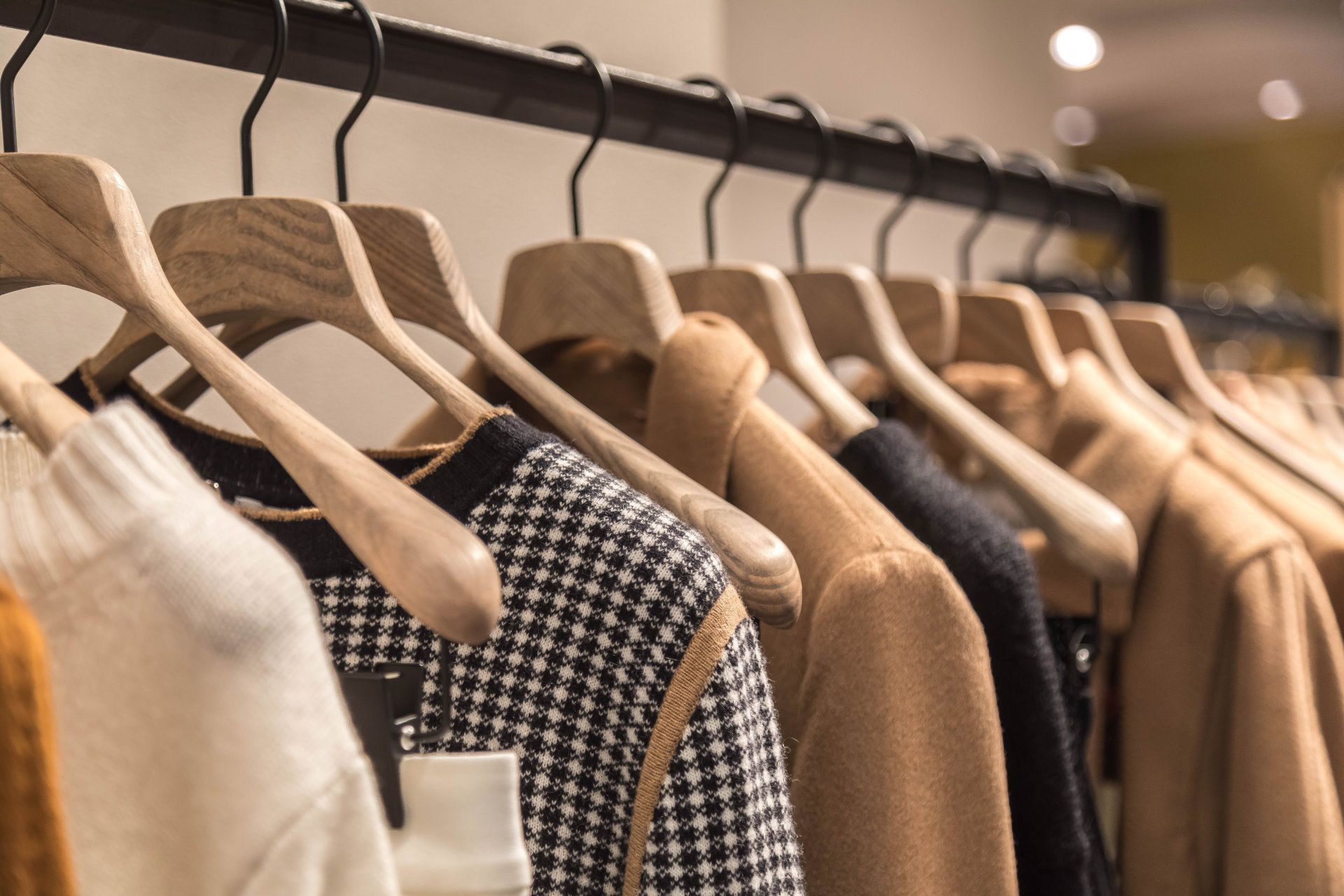
The fact that the new garment we all buy and wear highly contributed to the climate change screams nothing new. With the lack of regulation and supervision, the exact data to see just how much they’ve contributed are hardly ever emerge to the public surface. According to the World Bank Organization, the fashion industry is responsible for 8% to 10% GHG emissions. Not only that, the obvious fact about the micro plastics and toxic materials that usually used by fast fashion industry already pollute and will keep polluting our land and ocean.
Not everyone can afford to think about sustainability. Everyone wants to buy new things to groom themselves as best as possible, from pretty dresses to different shoes to suit every situation. On the other hand, not everyone have the funds for non fast fashion brand. Besides, when you are actually ready to follow the climate commitment, you keep getting bombarded with the ever changing trend in social media, the entertainment industry, and other things that heavily infiltrated the culture. Every work that you put towards your climate commitments starting to feel like extra chores especially for young people nowadays.
Below are a few strategies you can implement individually to help the environment, be mindful of the world communities and eventually help yourself in the long run.
1. Thrifting
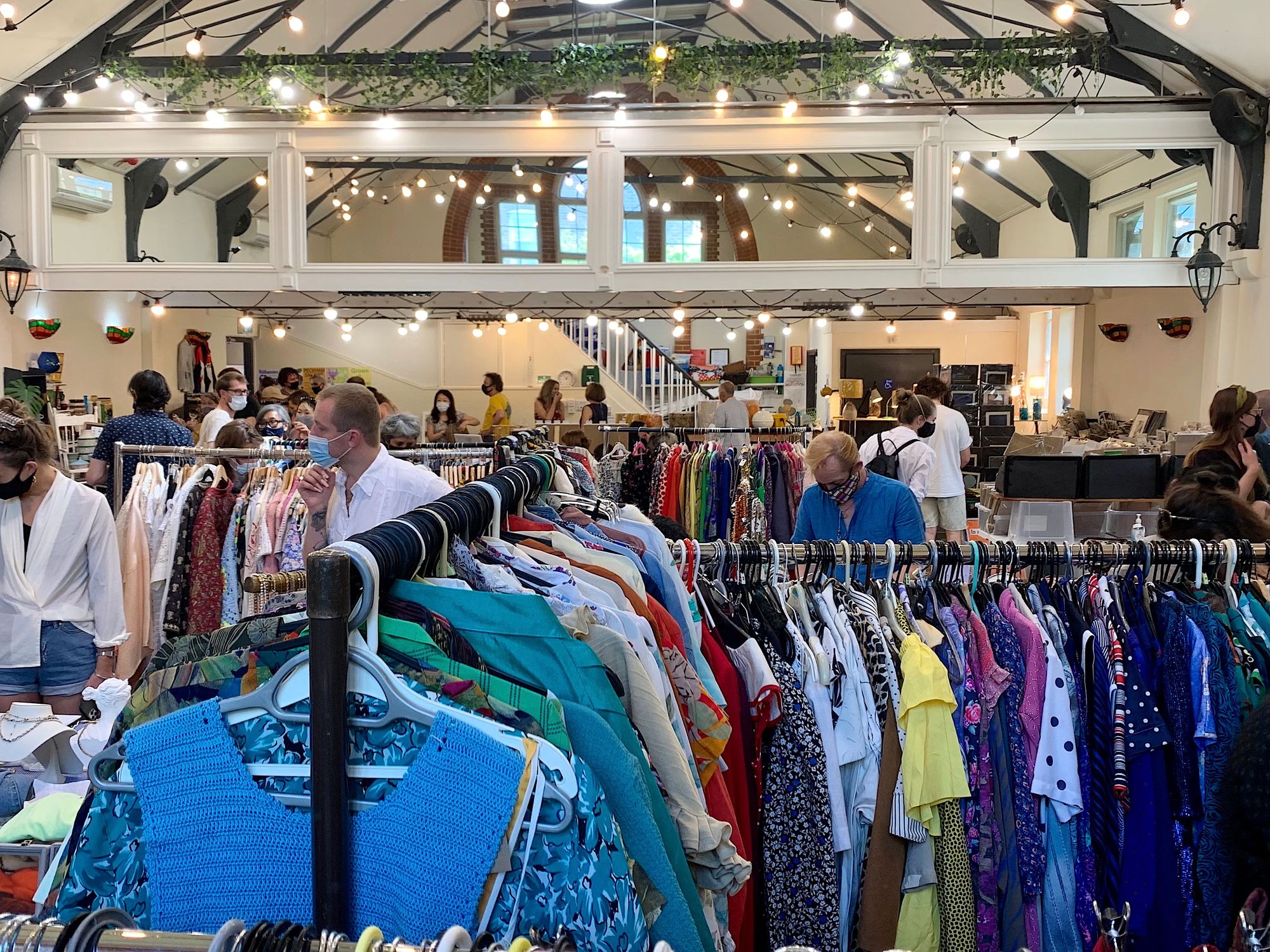
Thrifting or buying secondhand clothing is one of a great starter to decrease our consumerism in fast fashion. While the idea is not new, teens and young adults in the recent years have become more environmental and politically conscious about the planet. It’s so popular that it turned into somewhat of a trend. You could go to your local thrift shop or order from thrift apps and social media such as Instagram. Apps like Poshmark and Depop used to be the go-to but it starting to be ridiculously pricey since the thrifting trend started among the MZ generation.
On the other hand, a rise of “fast fashion-shamming” has occurred between the supposedly conscious generations. Since thrifting is literally thriving, we are deemed “uncool” or “unethical” if we wear fast fashion products. I personally think buying a t-shirt second-hand and wearing it for one time and then selling it, might be even more harmful to the environment than buying a cotton t-shirt from H&M and wearing it 20-30 times. I believe that proposing the shift for fast fashion must move to consumer really overlooks the fact that sustainable clothes (even thrifted) isn’t super available to everyone especially low income people and people from developing country. People with a lower income buying from Zara or Topshop once in a while aren't being unethical. Considering that in a developing country the fast fashion brands itself are not cheap. It is people that choose to spend very large sums of money on a thousand trendy pieces that will go to the bin one season later.
2. Repair, resell, give to friends and family or donate as the last resort
We should always run to repair our clothes and delay our shopping. That one-time cost to a local tailor will far outweigh the costs of your cumulative quick and constant consumption of new items.
Sure, you may not feel like wearing that skirt today, tomorrow, or for the next few weeks. But that doesn’t mean that other people won’t want to wear that ever again. To give another chance on a pair of jeans that you have loved before, you could try to sell it or call your local friends and family to come pick it up and take it off your hands for you. You can earn some extra money! Not just that — They’ll be glad to know that you were thinking of them.
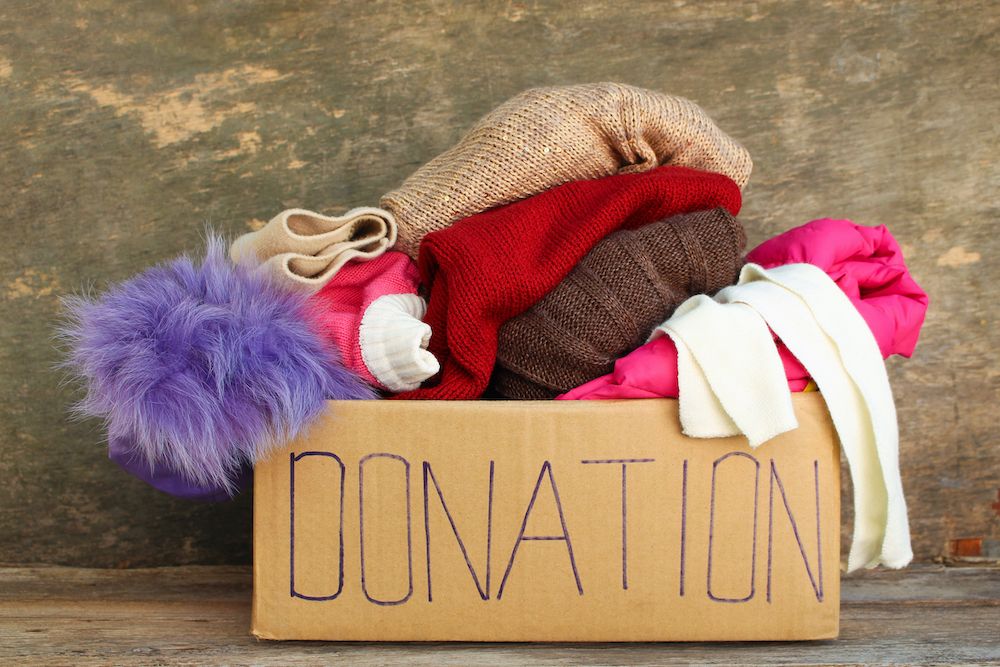
Donating your clothes should only be the last resort because most of the donation will go to the landfill. They’ll go to your local thrift-shop and then to the third world countries and end-up in a landfill or possibly the ocean.
3. Shop: less but great material, timeless piece and have staple/necessities
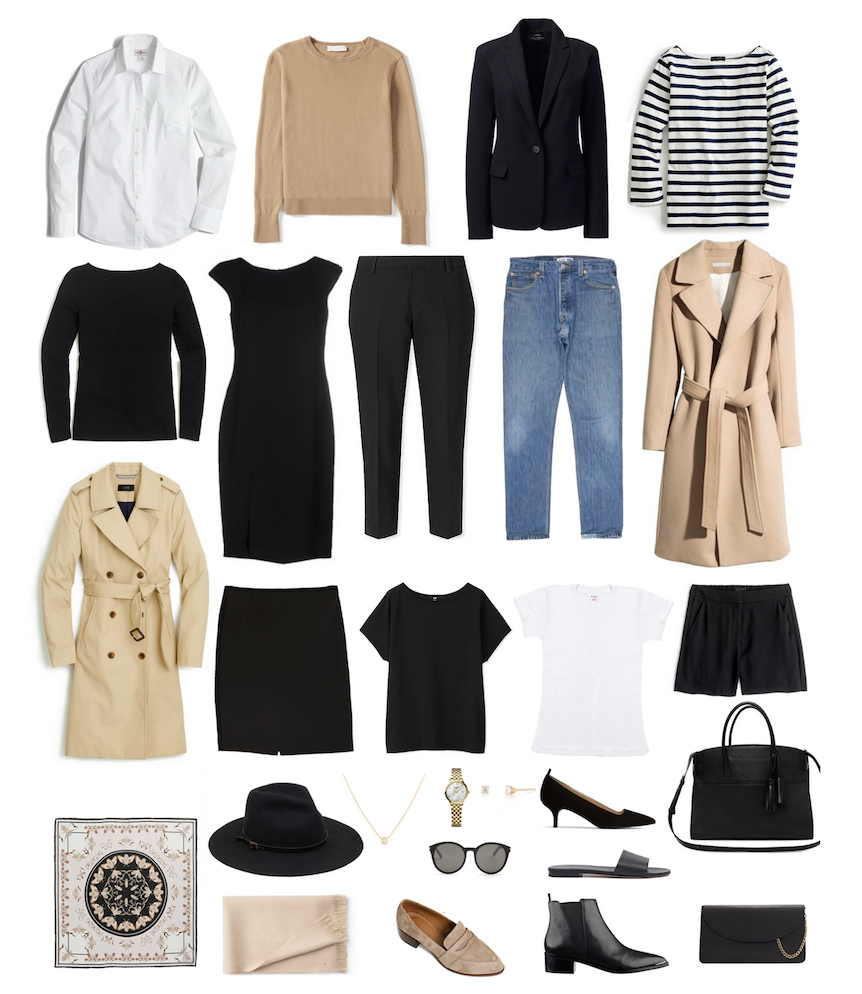
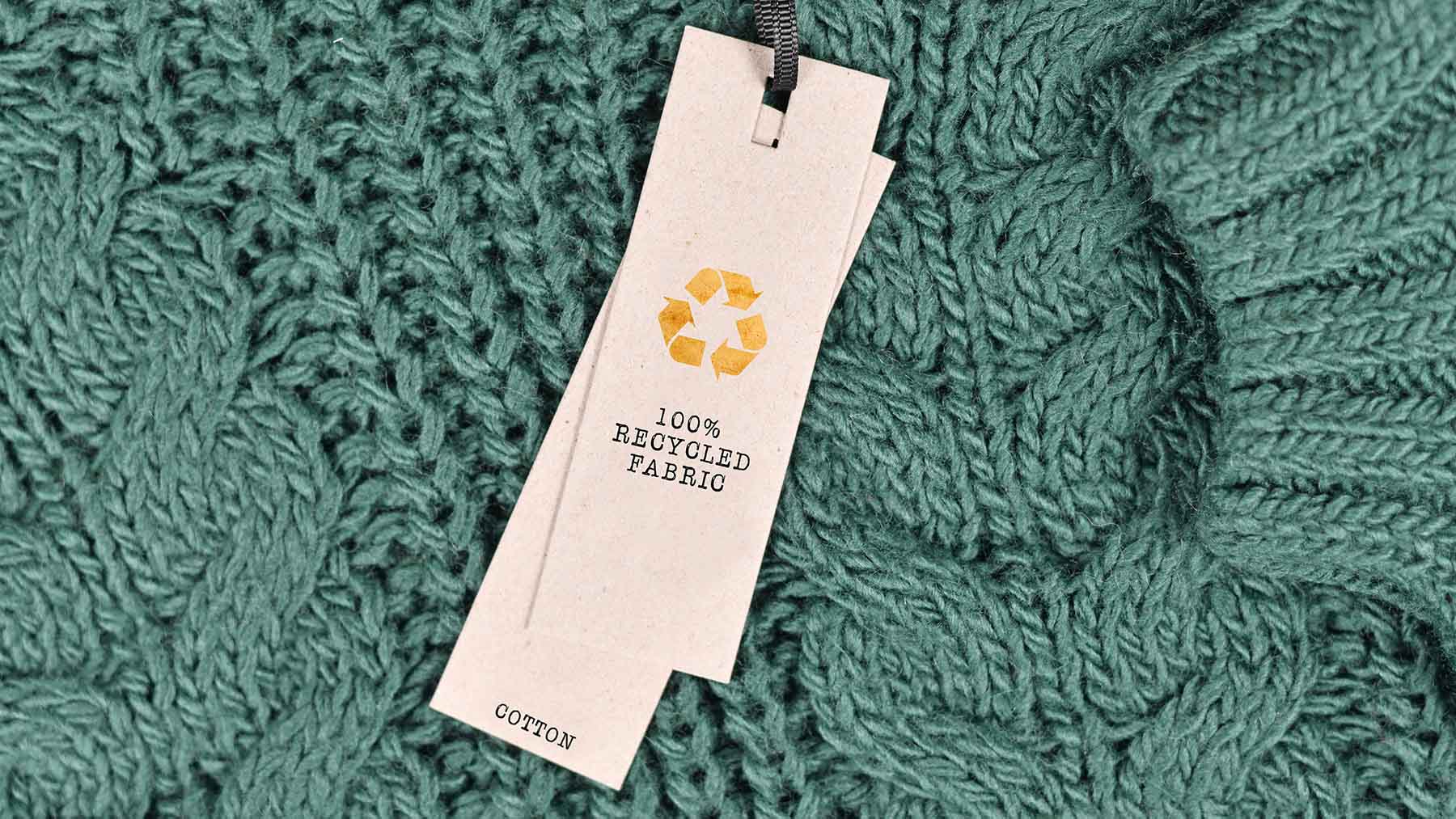
Fast fashion will always be a thing because you can't expect every single person on the planet to be into a more niche fashion. The normal person doesn't care about the impact or does and still buys into it because it is easy and they aren't willing to spend more on clothes. Sure, you can clothe yourself individually according to your personal style. But, since the fashion world repeatedly recycling old ideas, choose the right style for you. Hence, we can all try to at least adapt to this sustainable method of buying staple outfits with basic color palette that we can build into a “classic” capsule wardrobe that won’t look tacky in pretty much every part of life’s areas and stages. It’ll make you look presentable, plus your wallet will thank you for it.
At the same time, there are some people that are really uneducated when it comes to fast fashion and the industry in general. Things that might be obvious for us can be new info for others. Recently, I noticed people talking more and more about 'cost per wear' or garment composition. Shockingly, people don't really talk that clothes made from a mix of fabrics (3-4 different materials like Viscose, Polyamide, and Polyester) hardly ever get recycled as technologies are not advanced enough to separate them. All that so say, we should be studying the tag or any other sources to really know what’s the fiber that we are purchasing. Hopefully, there will be new regulations soon, especially in country where the majority of fast fashion companies exist, where brands will have to show evidence to support their "green and sustainable" claims.
I personally believe that the approach needs to be more all encompassing and work from the top down by regulating amount of items sold and quality of items sold. It would not be amazingly hard for a government group to analyse how much micro plastics an item gives off after being washed and how long its life span is. I think tracking these things while also limiting how many items a brand can sell would vastly decrease the strain clothing puts on the environment.
4. Burry this in your mindset: fast fashion or not, remember that you are going to wear this for last and use sustainable clothing culture
I was raised in what is called 'Sustainable clothing culture'. It is when people bought clothes, at first they were used as their holiday clothes - something to go out on a weekend, on a date, etc. After some usage, same clothes became their casual wear to go to their work. Then, when the clothes had become to look too worn out, they could become wearable at home, where there is no need for a cool dress. Then they could become the clothes to do some work which implies dirt - like gardening or DIY and fixing something. After that, all the same clothes could be turned into rags and used to clean your house. Despite there is no such scarcity in consumer goods now, I still find this clothing culture to be the most rational way to treat clothes.
However, the goal is to reduce the amount of clothing that is made unsustainably, worn briefly, and ditched to join a landfill. You might think that your extra works of climate commitment won’t change a thing, and yes, if the companies creating the pollution were held accountable in a serious way this would change. They also fuel desire with constant ads making people crave what they wouldn’t have wanted a moment before seeing that ad. You can't expect people to pay premium prices when there's 52 fashion cycles per year. They are going to look for ways to follow trends and stay current that they can afford. But, I beg to differ, as Nelson Mandela once said “It always seems impossible until it’s done”. So, burry this in your mindset, whether you buy outfits from fast fashion or not, you are going to wear it for last.
Fast fashion is an industry that will only fade to death if we change the system, otherwise not all the individual effort in the world will change that.
Thus, ask yourself, how can we really combat fast fashion?